SWR radio show with network member Pascal Honisch speaking about Expo

English:Our network member, Pascal Honisch, joined a radio discussion on SWR Kultur Forum alongside Dr. Thomas Schriefers and Prof. Miriam Österreich to explore the history and future of World Expositions. The conversation focused on cultural representation, national identity, and the upcoming EXPO 2025 in Osaka. 🔗 Listen to the broadcast Deutsch: Unser Netzwerkmitglied, Pascal Honisch, …

RG China(s) Colloquium: “Towards an actor-centred approach to studying overseas remittances and rural livelihoods: An ethnographic case study in Guangdong, China” by Ruishi Zhen on May 16, 12:30-13:30

This article addresses an understudied issue in the current remittance scholarship in the Chinese context, and explores how overseas remittances reconfigure rural livelihood dynamics in the historical ‘emigration region of overseas Chinese’ (qiaoxiang) in contemporary southern China. Drawing on the different concepts of agrarian class positions (Cousins et al., 1992) and different categories of livelihood …

RG China(s) Colloquium: “From Code to Capital: An Ethnography of Chinese Tech Professionals in the Bay Area” by Shuyue Wang on January 17, 12:30-13:30

This presentation introduces the framework and key themes of my dissertation, which explores the lives of Chinese tech workers in Silicon Valley through an anthropological and sociological lens. It focuses on how these highly skilled immigrants navigate the economic, political, and cultural structures of the Bay Area while negotiating their identities, aspirations, and transnational ties. …

RG China(s) Colloquium: The Overshadowed Success of ASG: Changing Stakes in Unstable Political and Economic Environment of Ghana by Chong Zhang (Guest PhD candidate at Leiden University) on December 20, 12:30-13:30

Over the 15 years operational history in Ghana, the ASG power plant has established a certain level of credit, which is recognized by the Ghanaian and Chinese side. From the media and official report, the power plant is a successful project which fulfil the need of electricity from local society, at the same time the …

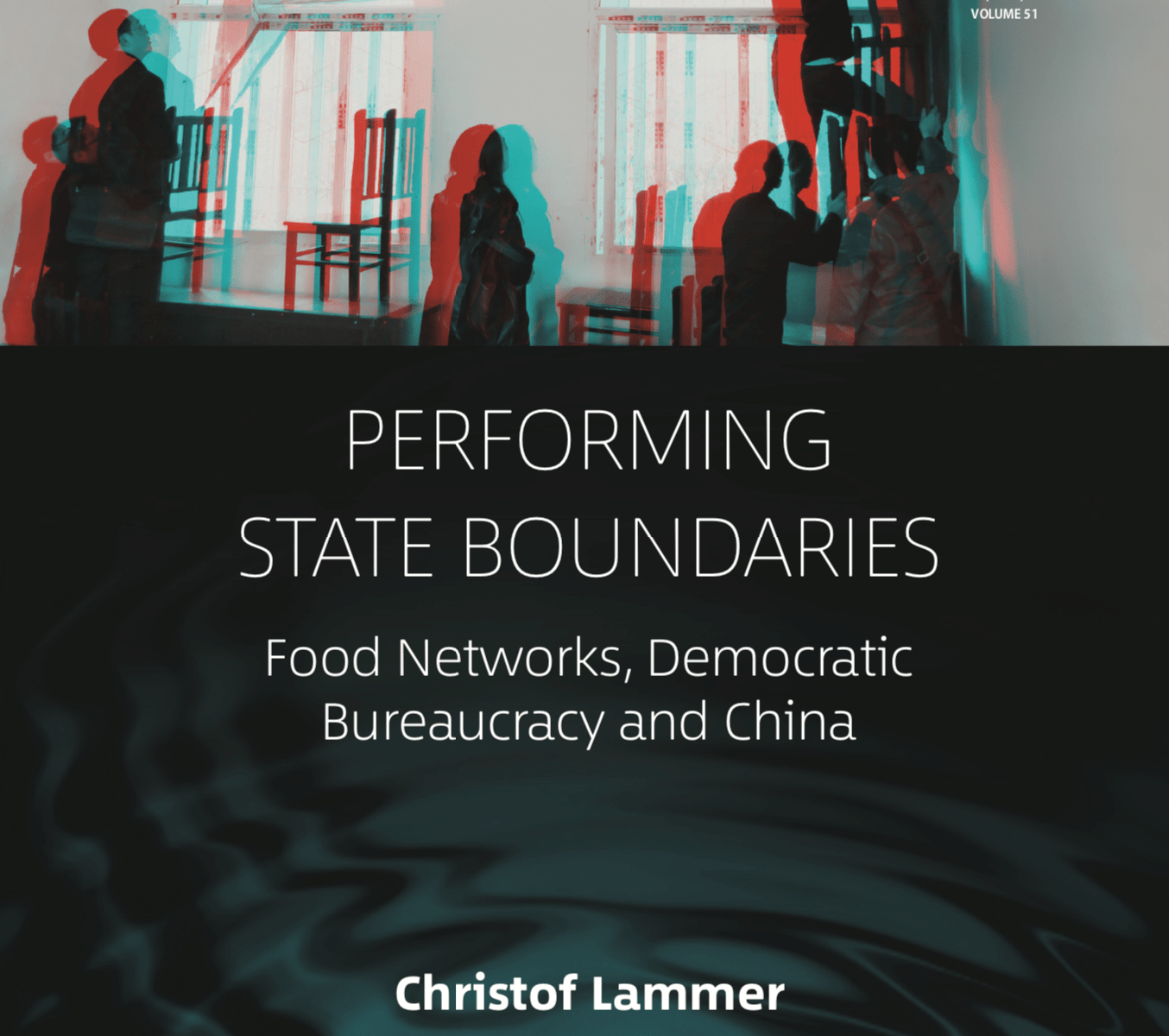
New Book on an Ecological Village and Democratic Bureaucracy in China

Christof Lammer's fine-grained ethnography describes the complexity of political processes in an eco-village in Sichuan. The usual pigeonholing of the Chinese state does not work here. An exciting read for anyone interested in how images of authoritarian, socialist and cultural otherness shape the transition to organic farming and social policy. Lammer, Christof. 2024. Performing State …

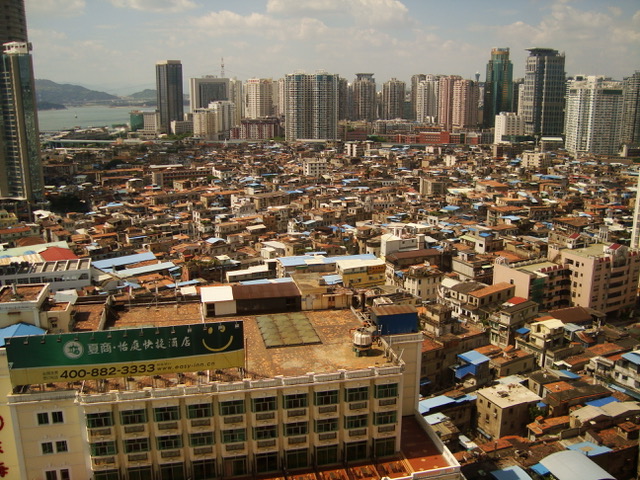
Launch RG China(s) Colloquium winter semester 2024/25: The Spectacle of the Chinese City: Urban Atmospheres, the Built Environment and Everyday Practices (Special Issue für Visual Studies 39, 1-2, 2024); 25. October, 12:30-13:30

In this colloquium session, Dennis Zuev and Madlen Kobi will provide insights into a recently published Special Issue for the journal Visual Studies. This special issue provides insights into the ways in which buildings in Chinese cities are being imagined, inhabited and maintained by their residents. Integrating the spectacular transformation of different localities into recent debates …

NEW blogpost „Methodological Mutualism: Rethinking the Agency of Local Communities in the Belt and Road Initiative“ by Verena La Mela

Richly decorated tables are the social centre of female economic chai networks in the Sino-Kazakh border town Zharkent (Photo: Verena La Mela). Verena La Mela (University of Zurich) proposes a paradigm shift towards methodological mutualism, allowing for a more comprehensive understanding of the interplay between the BRI and people on the ground. Read the blogpost: https://munkschool.utoronto.ca/belt-road/research/methodological-mutualism-rethinking-agency-local-communities-belt-and-road-initiative

NEW article on sociotechnical transformations of social policy in China by Christof Lammer

Democratic appraisal at a villagers’ group meeting in 2015, photo by Christof Lammer. China studies has suggested that the minimum livelihood guarantee (dibao) was originally designed as a market-oriented response to transformations of labour (mass layoffs, peasant proletarianisation and associated unrest) but later revamped to only combat extreme poverty. Scholars have often attributed such changes …