
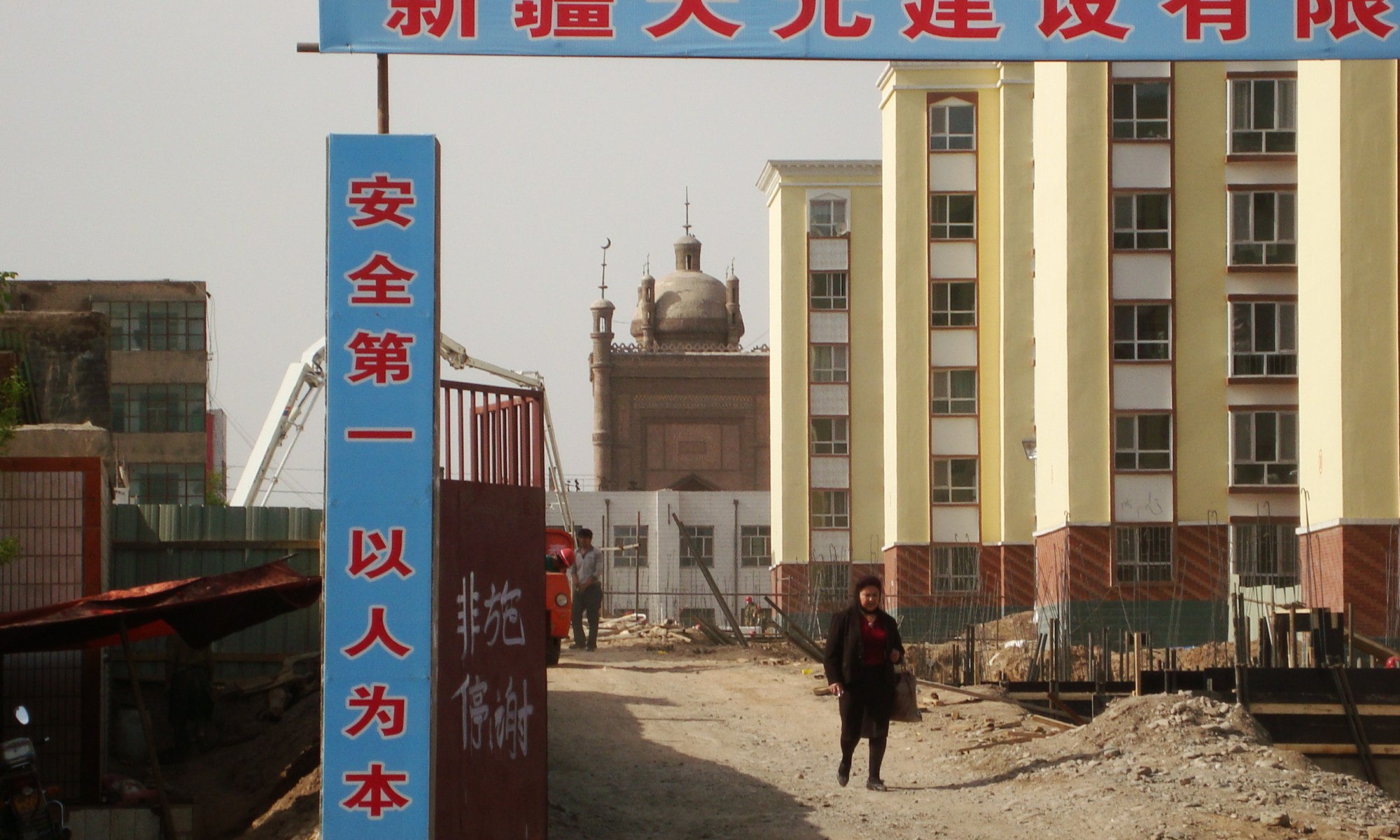
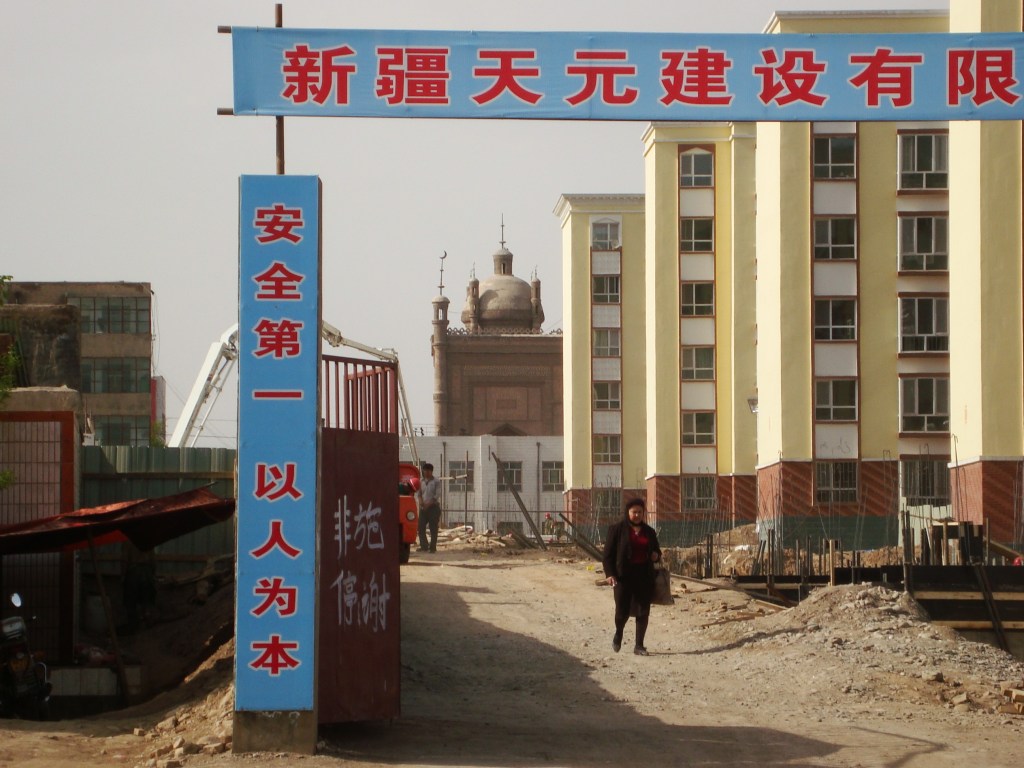
This article investigates the relatively little explored urban development in China’s Northwestern Uyghur homeland of XUAR (Xinjiang Uyghur Autonomous Region). Based on 12 months of ethnographic fieldwork between 2010 and 2017, the article outlines the ways in which Sinicization, modernisation, and globalisation have simultaneously changed the morphology of XUAR’s cities. The restructuring of material urban infrastructure has also challenged local ethnic place-making. The article highlights the ways in which Uyghur urban middle-class citizens negotiate ethnicity, social status, or the relation to the state through reflecting on the construction and perception of architecture.
 Ethnologie Chinas